The Importance of Oral Cancer Screenings
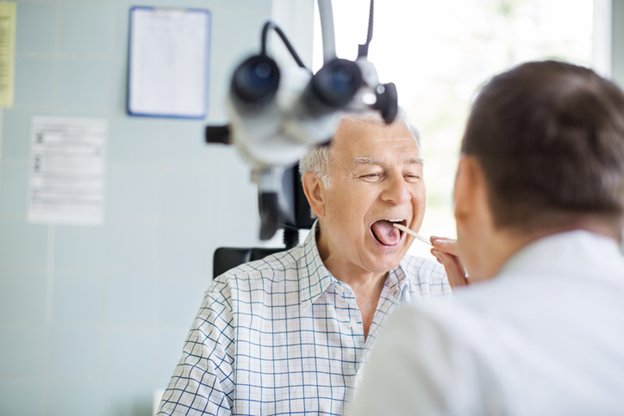
Figure 1: Oral Cancer Screenings at Medical Office. (Kalil&Kress Family and Cosmetic Dentistry, n.d.).
Did you know that oral cancer ranks as “the sixth most common cancer.”? (Atherley, Taylor & Aquilina-Arnold, 2010, p.7). Oral cancer is found in the oral cavity, otherwise known as the mouth. Though oral cancer may begin in the oral cavity it may develop within nearby or farther regions of the body. This spread of oral cancer to farther bodily regions is called metastasis. (Canadian Cancer Society, n.d.). Oral cancer is greatly impacting the elderly in our society. Oral cancer instances greatly increase with age. (Laronde, Hislop, Elwood & Rosin, n.d., p.2). In a journal article published by Canadian Journal of Dental Hygiene, it states those at the greatest risk for oral cancer are over the age of sixty. (Laronde et al., n.d., p.1). Therefore, your aging loved ones are placed at higher risk.
There is no single causative factor that causes oral cancer to begin. However, there are multiple risk factors that may impact cancerous formations. As many may already know, tobacco greatly increases the likelihood of cancer formation whether in oral cavity or other areas of the body. (Laronde et al., n.d., p. 2). Furthermore, the use of tobacco and excessive alcohol are strong risk factors that together increase the chances of developing oral cancer. (Laronde et al., n.d., p. 2). Other risk factors include a lack of fruits and vegetables incorporated in to a regular diet, Human Papilloma Virus, and excessive exposure to UV rays. (ODHA, n.d., p. 1).
Early detection and diagnosis are of great importance. Greater survival rates are seen within cases where oral cancer was spotted early. (Laronde et al., n.d., p. 1). This is why family members, seniors, nursing staff, and dental hygienists must be aware of the increased risk for oral cancer in the elderly. Early detection can save your loved one’s life. Regular oral cancer screenings for seniors by themselves, family members, dental hygienists, PSWs, etc., can help in the early detection and diagnosis.
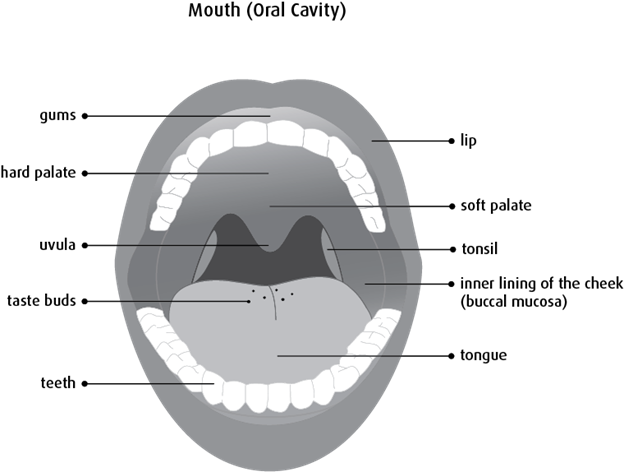
Figure 2: Anatomy of the Oral Cavity. (Canadian Cancer Society, n.d.).
“What is oral cancer screening?” you might ask. Oral cancer screenings are a sequence of steps used to observe any changes inside and outside of the mouth. Oral cancer is not normal, therefore, any unusual lesions or changes in the mouth may indicate precancerous or cancerous formations. Changes such as:
– non-healing sores on the lips or in the mouth (National Cancer Institute, 2019).
– white patches (National Cancer Institute, 2019).
– red patches (National Cancer Institute, 2019).
– colour changes within the mouth (National Cancer Institute, 2019).
– voice changes (National Cancer Institute, 2019).
– difficulty moving the tongue (National Cancer Institute, 2019).
– difficulty speaking or swallowing (National Cancer Institute, 2019).
– lumps within the lips or mouth (National Cancer Institute, 2019).
– numbness in the lips or mouth (National Cancer Institute, 2019).
– loose teeth (National Cancer Institute, 2019).
– ill-fitting dentures (National Cancer Institute, 2019).
– lumps within the throat or sore throat (National Cancer Institute, 2019).
– constant earache (ODHA, n.d., p. 1).
– Any unevenness in the face called asymmetry (ODHA, n.d., p. 1).
– lymph nodes that have become solid and immoveable (ODHA, n.d., p. 1).
If these changes are noted to last for two weeks or longer, it is recommended that a consultation be made with their dentist or physician. (ODHA, n.d., p. 1). Bringing this information to the attention to the dentist or medical physician is important. Whether or not this change or growth is cancerous it is better to have a professional opinion than not report anything at all.
As elderly individuals, family members, friends, nursing staff, dental hygienists who are knowledgeable on the increased risk of oral cancer in the elderly you have an important role of observation and communication. Though oral cancer screening sounds daunting, the steps are simple to follow.
1. Look at and around and touch the face. Do you notice any changes in colouring, touch, or symmetry? (ODHA, n.d., p. 2). Look around the back of the neck, ears, and scalp as well. A tip when observing the face is to remove glasses because they may cover up potentially cancerous changes. (ODHA, n.d., p. 2).
2. Listen for changes or complaints that the senior might have. (ODHA, n.d., p. 2). Is their throat hoarse? Are they complaining about a lump in their throat or that their dentures aren’t fitting properly? (ODHA, n.d., p. 2).
3. Go intra-orally (into the mouth). If you are performing this on a senior it is recommended that you wear gloves and using a flashlight when assessing their mouths. If the senior has a denture or other oral appliance kindly ask them to remove it prior to beginning your intra-oral assessment. (ODHA, n.d., p. 2). Take a look and feel around in the mouth. Is there anything unusual or different that you see such as a colour change, a swelling, a sore spot? (ODHA, n.d., p. 2). A tip when observing the mouth is to follow a pattern that you can remember so that no area goes unnoticed.
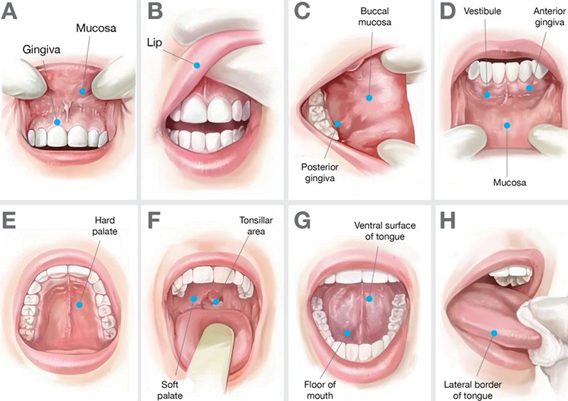
Figure 3: Oral Cancer Screening Steps.(HealthCare Global, 2018).
Areas in the mouth that are important to assess are:
– The lips – the outside and inside (ODHA, n.d., p. 2).
– The gums (ODHA, n.d., p. 2).
– The entire tongue – front, back, bottom, sides (ODHA, n.d., p. 2).
– The floor of the mouth (the area between the bottom teeth and the tongue). (ODHA, n.d., p. 2).
– The cheeks (ODHA, n.d., p. 2).
– The roof of the mouth also called the palate (ODHA, n.d., p. 2).
– The back of the throat (ODHA, n.d., p. 2).
You can save a life; you have to power to improve a senior’s life. Let’s protect our seniors through early detection. If you had oral cancer, wouldn’t you want it to be caught early? Our seniors need you and need to be educated on the risks of oral cancer.
SD
References
Atherley, G., Taylor, L., Aquilina-Arnold, J. (2010, July 15). CDHO advisory oral cancer. [PDF]. Retrieved on May 10, 2019 from http://www.cdho.org/Advisories/CDHO_Advisory_Oral_Cancer.pdf.
Canadian Cancer Society. (n.d.). What is oral cancer? Retrieved May 10, 2019 from https://www.cancer.ca/en/cancer-information/cancer-type/oral/oral-cancer/?region=sk
Canadian Cancer Society. (Author). (n.d.). 994378ad2dfd44e98c82d6a98b9b0ca9. [Oral Cavity Diagram]. Retrieved May 10, 2019 from https://www.cancer.ca/en/cancer-information/cancer-type/oral/oral-cancer/?region=sk
HealthCare Global. [Author]. (2018, July 26). DjFlxdTXsAA-bAz. [Intra-Oral Cancer Screening Steps]. Retrieved on May 10, 2019 from https://twitter.com/hcgcancercare/status/1022710558531891200
Kalil&Kress Family and Cosmetic Dentistry. (Author). (n.d.). iStock-840513998. [Image of Oral Cancer Screening]. Retrieved on May 10, 2019 from https://kalilandkress.com/category/oral-cancer-screening/
Laronde, D. M., Hislop, T. G., Elwood, J. M., Rosin, M. P. (n.d.). Oral cancer: just the facts. Canadian Journal of Dental Hygiene. 74 (3), 269-272. Retrieved May 10, 2019 from https://cda-adc.ca/jcda/vol-74/issue-3/269.pdf
National Cancer Institute. (2019, March 7). Lip and oral cavity cancer treatment (adult) (PDQ) – Patient Version. Retrieved on May 10, 2019 from https://www.cancer.gov/types/head-and-neck/patient/adult/lip-mouth-treatment-pdq#_1
Ontario Dental Hygienists’ Association. (n.d.). Oral cancer self-examination. [PDF]. Retrieved on May 10, 2019 from https://odha.on.ca/wp-content/uploads/2016/08/Oral-Cancer-Self-Exam14.1-copyright.pdf

 Bringing Life to Your Smile
Hello SD,
This is a great post on a very important subject. Every year, thousands of Canadians are diagnosed with oral cancer. When oral cancer is detected early, it has an estimated 80% survival rate. The self-examination steps that you have supplied can be life saving. They are essential to recognize abnormal conditions in the oral cavity that may be oral cancer.
I believe it is also important to share the steps for oral cancer prevention. These include
stopping smoking and limiting alcohol consumption, using sunscreen and SPF lipbalm, maintaining a well-balanced diet, attending dental hygiene appointments regularly, knowing the risk factors, and performing ongoing self-examinations for oral cancer (Ontario Dental Hygienists’ Association, n.d.).
Thank you for writing about such an important topic related to dental hygiene.
References
Ontario Dental Hygienists’ Association. (n.d.). Oral cancer self-examination. [PDF]. Retrieved on May 20, 2019 from https://odha.on.ca/wp-content/uploads/2016/08/Oral-Cancer-Self-Exam14.1-copyright.pdf
LikeLike
Thank you Cassidyserson for your passion regarding the need for early detection rates. You bring up a great point. Prevention of oral cancer is just as important as detection and diagnosis. Thank you for sharing your thoughts and knowledge on oral cancer prevention. For further information you can visit: https://preventcancer.org/education/preventable-cancers/oral-cancer/
LikeLike
Hello SD,
Oral Cancer is a great topic to bring forward to the public. Oral cancer can be found anywhere from the tongue, lips, mouth, or throat (Canadian Dental Association, 2019). The problem that occurs is that most people do not know how to properly detect signs of oral cancer or what to look for. According to the Canadian Dental Association, “In 2003, an estimated 3,100 new cases of oral cancers were identified in Canada, and about 1,090 deaths occurred as a result of the disease” (Canadian Dental Association, 2019).
These numbers are very concerning to the population of Canada and the entire world. This is what makes regular oral cancer screenings so important. People must also be educated about the risk factors and signs of oral cancer to make them aware of what could possible cause oral cancer and what to look for when completing an oral cancer screening.
Oral cancer was a great topic for the dependant senior. Oral cancer is more prevalent in people over the age of 45 years old (Canadian Dental Association, 2019). The information provided may help the senior as well as care takers to understand the importance of regular oral cancer screenings and how to do them and what to look for.
Oral cancer must be diagnosed early in the disease progression (Laronde, Hislop, Elwood, & Rosin, 2008). The survival rate for earlier diagnosed oral cancer is much greater (Laronde, Hislop, Elwood, & Rosin, 2008). Aside from the oral cancer screenings, dental professionals can also assess for the risk of oral cancer by reviewing an updating the clients medical history at each appointment (Laronde, Hislop, Elwood, & Rosin, 2008). They should asses any history of disease, risk factors of oral cancer such as tobacco and alcohol use, and any medications (Laronde, Hislop, Elwood, & Rosin, 2008). Dental professionals also have the responsibility of educating clients on ways that they can help to prevent oral cancer from occurring or how to slow the progression of oral cancer (Laronde, Hislop, Elwood, & Rosin, 2008).
Individuals who take part in regular oral cancer screenings have a greater chance of early detection and with the help and guidance of dental professionals, we can make this happen.
-Sarah Fulcher
References
Canadian Dental Association. (2019). Oral Cancer . Retrieved from Canadian Dental Association: http://www.cda-adc.ca/en/oral_health/complications/diseases/oral_cancer.asp
Canadian Dental Association. (n.d.). Nutrition and Oral Health . Retrieved from Dental Hygiene Facts: https://odha.on.ca/wp-content/uploads/2016/08/Nutrition-14-1-final.pdf
LikeLike
Hi Sarah,
You bring up some very crucial points. Thank you for your contribution and your obvious passion for early oral cancer detection.
I agree. As dental professionals and family members we must be aware of the oral cancer risk factors. With this knowledge we can properly educate those at risk to a) potentially reduce the risk by refraining from risk behaviors and b) detect oral cancer early. Risk factors include: tobacco, alcohol, poor diet, HPV, and excessive UV rays. (Laronde et al., n.d., p. 2). (ODHA, n.d., p. 1). Some ways to reduce the oral cancer risk is to quit smoking, reduce alcohol consumption, use sunblock, and incorporate lots of fruits and vegetables into your diet. (ODHA, n.d., p. 1).
For further information regarding cancer prevention visit: https://www.who.int/cancer/prevention/en/
SD
References
Laronde, D. M., Hislop, T. G., Elwood, J. M., Rosin, M. P. (n.d.). Oral cancer: just the facts. Canadian Journal of Dental Hygiene. 74 (3), 269-272. Retrieved May 10, 2019 from https://cda-adc.ca/jcda/vol-74/issue-3/269.pdf
Ontario Dental Hygienists’ Association. (n.d.). Oral cancer self-examination. [PDF]. Retrieved on May 10, 2019 from https://odha.on.ca/wp-content/uploads/2016/08/Oral-Cancer-Self-Exam14.1-copyright.pdf
LikeLike
Hello SD,
Let me first start off by saying how informative your post is. You bring up so many valid points and helpful tips for early detection of oral cancer through cancer screenings. As future dental hygienists we have a special role to play in early detection and a huge responsibility to our clients to ensure no suspicious lesions are overlooked or go unnoticed. According to The Canadian Dental Hygienists Association (CDHA) dental professionals have the potential to detect up to 84% of new oral cancer cases. In its early stages oral cancer is often painless and may not present with any symptoms, so it may go undetected. However, if detected early, the 5-year survival rate can be as high as 90% (CDHA, 2015). Therefore, our expertise and efforts are critical to lifesaving oral cancer diagnosis’.
In your blog post you discuss the steps that can be taken to complete oral screenings at home. You focus on the areas of the mouth that are important to assess which I think is so valuable as many people do not realize what to look out for or what to focus on in the oral cavity. For dependent seniors this will be especially important as they may be relying on family members or caregivers for their oral care. The CDHA offers some excellent resources on extraoral assessments of the head and neck and intraoral assessments of the lips and mouth that can be helpful to the public as a step-by-step guide and to dental hygienists as a resource to keep handy when completing intraoral and extraoral assessments (CDHA, 2015).
To conclude, I would like to say thank you for your blog post and for sharing about such an important topic that needs more care and attention. I believe your post has started a valuable discussion about a very important topic and I commend you for that!
– Serena Skrobek
The Canadian Dental Hygienists Association. (2015). Oral cancer screening for today’s population. Retrieved from
Click to access Oral-Cancer-4page-booklet.pdf
LikeLike
Hi Serena,
Yes, this CDHA pamphlet is a very informative tool that can be useful in clinical practice. Maybe you could print it out and allow the client to take it home to browse. Thank you for sharing this useful piece of information.
I very much agree with you that family members and care givers play a vital role in detecting oral cancer in the elderly. Some of the elderly might not present the necessary dexterity or cognitive abilities to perform the intra oral examination themselves. Additionally, as you mentioned oral cancer is not always painful it can easily go unnoticed by the elderly. Therefore, regular screenings is important. (CDHA, 2015).
Thank you for your passion regarding this topic.
– SD
References
The Canadian Dental Hygienists Association. (2015). Oral cancer screening for today’s population. Retrieved from
Click to access Oral-Cancer-4page-booklet.pdf
LikeLike
Great post SD. Spreading awareness about oral cancer is always important. The number of people who are not aware that cancers happen for many reasons mentioned in your article is concerning and us as health professionals need to educate our patients on this topic. The relationship between sexual activities and oral and pharyngeal cancer is another area that is missed by many health professionals or not discussed with their patients for many reasons including not feeling comfortable enough to engage in a conversation that is very personal (ODHA, n.d.). But, in the end we have an obligation to better advance the health of our patients and make them more aware and increase their health literacy. Providing them with resources such as the ones available on the CDHO and ODHA websites is a great way to educate patients on the importance of routine self oral cancer screenings (ODHA, 2016). Again, thank you for such an informative post about a health topic that is very important to keep in mind during our approach to care in our everyday clinical practice.
References:
ODHA (n.d.). How Your Sexual History and Oral Health Are Connected. [PDF] Burlington, Ontario: Ontario Dental Hygienists’ Association (ODHA). Retrieved on 2019, July 29 from http://www.cdho.org/docs/default-source/pdfs/oral-health-rpt/article-sexual-history-and-oral-health.pdf?sfvrsn=8cd681a0_10
ODHA (2016, August). Oral Cancer Self-Examination. [PDF] Burlington, Ontario: Ontario Dental Hygienists’ Association (ODHA). Retrieved on 2019, July 29 from https://odha.on.ca/wp-content/uploads/2016/08/Oral-Cancer-Self-Exam14.1-copyright.pdf
LikeLike
Hello Moe K,
Thank you for your feedback. You bring up an important topic relating to the oral health of individuals regardless of age. There is a correlation between sexual relations and oral cancer incidences for example HPV as mentioned in this blog post. Those who don’t smoke and don’t drink excessively can still be at risk for oral cancer. (CDHO, n.d., p. 1). You are most definitely right in saying that we might be uncomfortable as dental professional in asking these sensitive questions, but it is so important and it is our obligation. Thank you for reminding the readers about the importance of sexual relations and oral cancer. We are to put the public first, not ourselves. We have the ability to potentially save a life, we must actively ask the difficult questions and be proactive in oral cancer screenings.
For further information regarding the prevention of oral cancer you can go to https://preventcancer.org/education/preventable-cancers/oral-cancer/
References
CDHO. (n.d.) How your sexual history and oral health are connected. [PDF]. Retrieved from http://www.cdho.org/docs/default-source/pdfs/oral-health-rpt/article-sexual-history-and-oral-health.pdf?sfvrsn=8cd681a0_10
LikeLike